
Where It Started: The Sonic Blueprint
Long before modern AI tools could generate a symphony in seconds, The Crazoids sound was painfully and lovingly constructed by hand in a home studio in Willoughby, Sydney. This archive offers a glimpse into the analog world of 1980, where the "Source Code" for the albums you hear today was originally written.
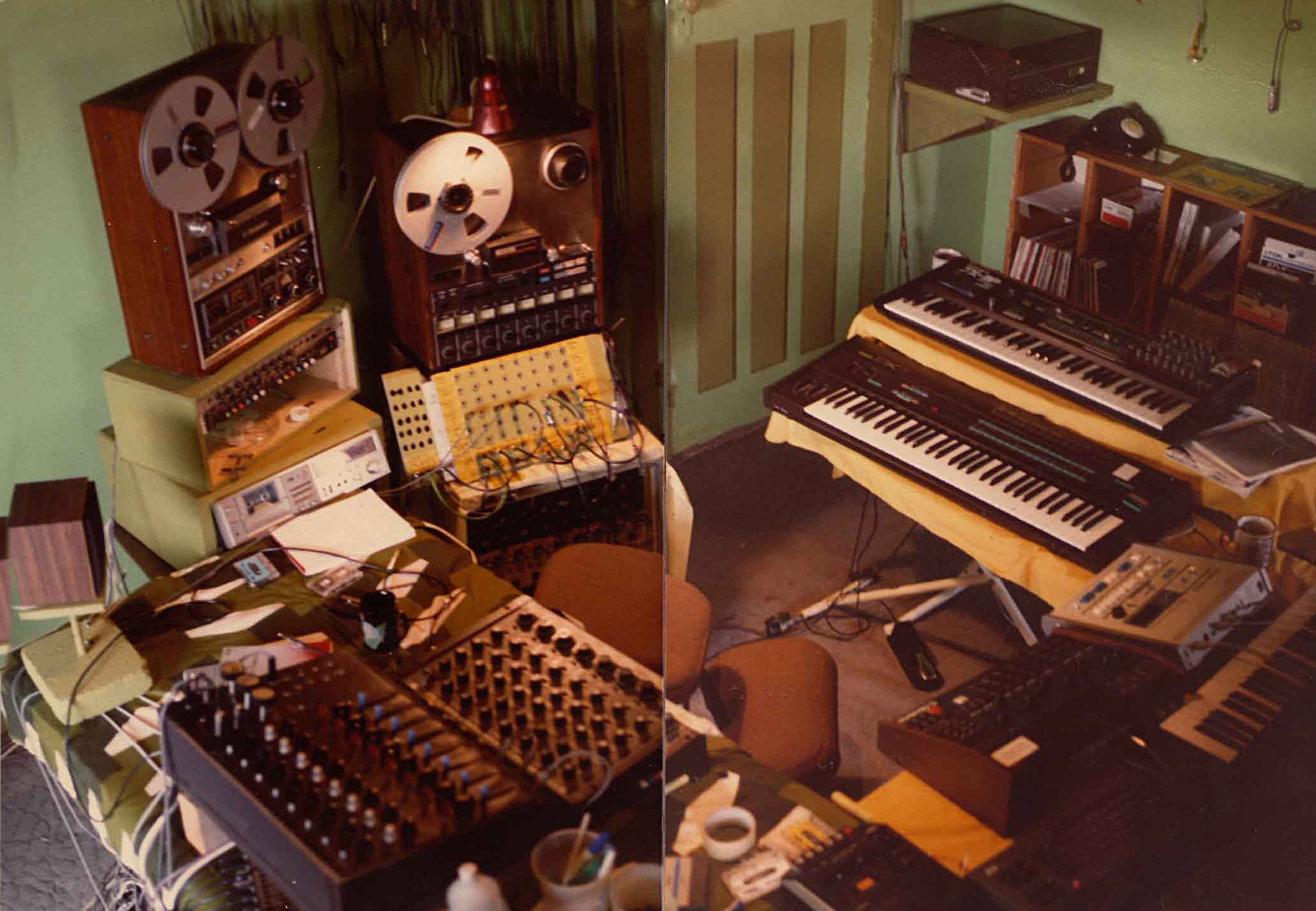
The Control Room
Built by Jay Moxham and Paul Dengate, this setup was revolutionary for its time. Centered around the TEAC Tascam 80-8 (an 8-track 1/2" reel-to-reel), it brought semi-professional recording capabilities into a domestic lounge room.
It was a DIY masterpiece: the turntable was dyna-bolted to the wall to prevent vibrations, and the Auratone monitors sat on homemade stands constructed from painted paver bricks.
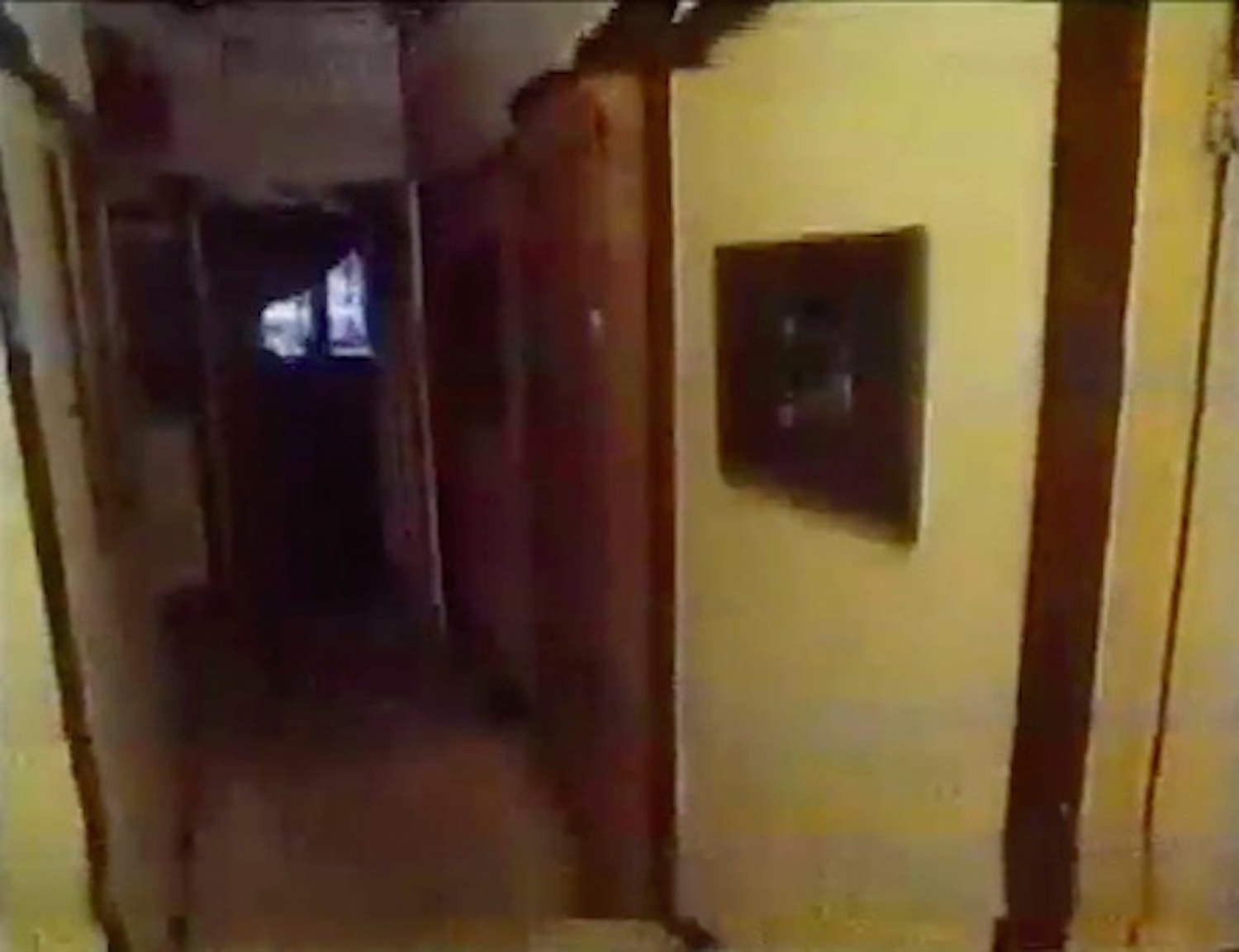
The Sound Proofing (A.K.A. The Mattress)
Innovation was born of necessity. To soundproof the recording booth (a small bedroom down the hall), Jay and Paul used whatever they could find. The walls were lined with cardboard egg cartons and layers of hanging carpet collected from roadside cleanups.
The piece de resistance was the door: a single-bed mattress bolted directly to the wood, with the door handle extended to poke through the foam. It wasn't pretty, but it worked.
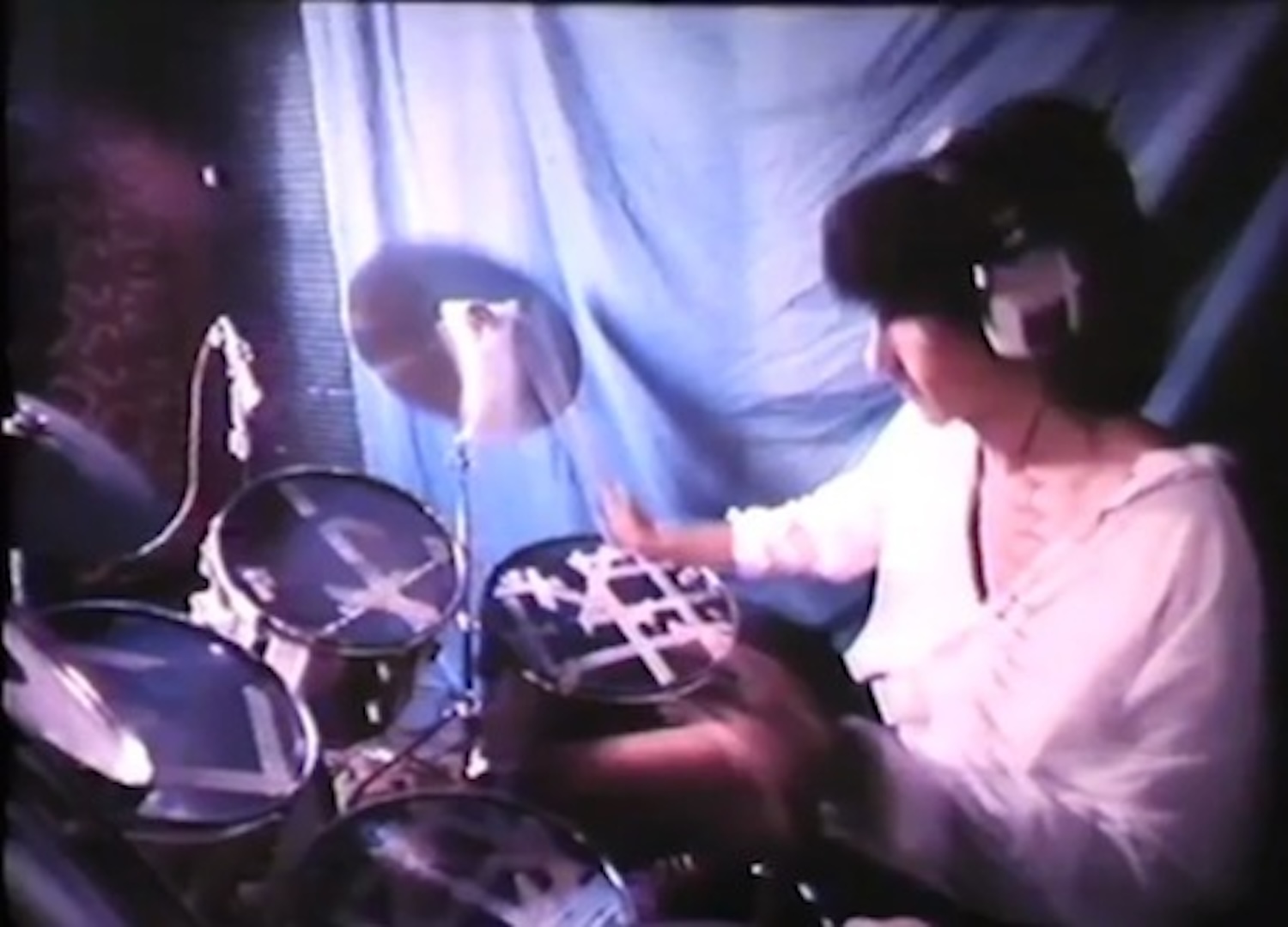
Inside the Booth
This rare glimpse inside the booth shows the layers of carpet and underfelt that created the "dead" acoustic space needed for crisp vocals. Behind those carpets were air gaps and egg cartons to trap bass frequencies.
This 3-meter square room was the birthplace of every vocal melody and guitar riff on the Hype album.
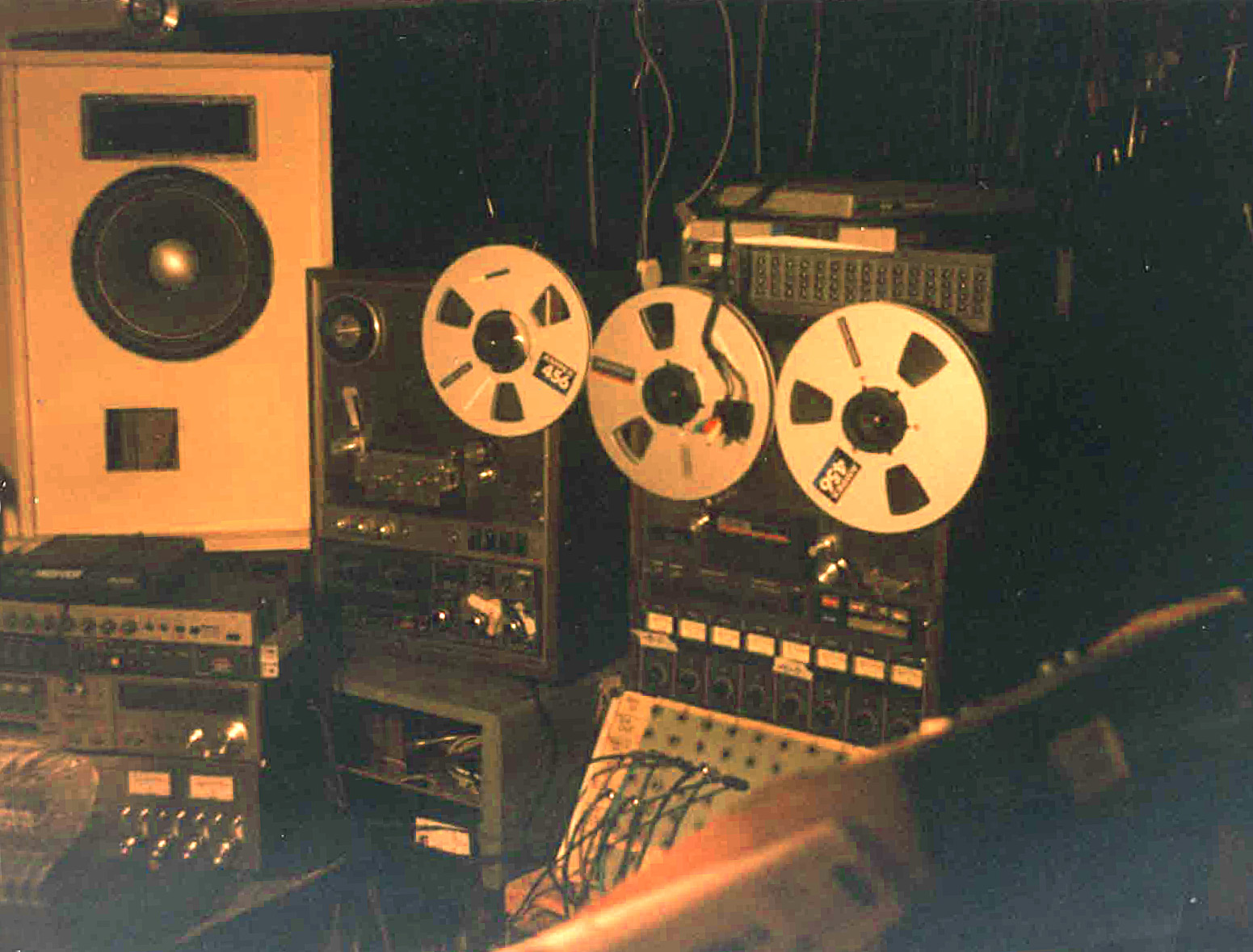
Hand-Built Gear
Much of the equipment was built from kits. The sub-mixer, patch-bay, and spring reverb unit were all soldered by hand. The main 8-channel Tapco mixer was affectionately nicknamed "Jet Jackson," while its homemade sidekick sub-mixer was christened "Ichabod Mudd".
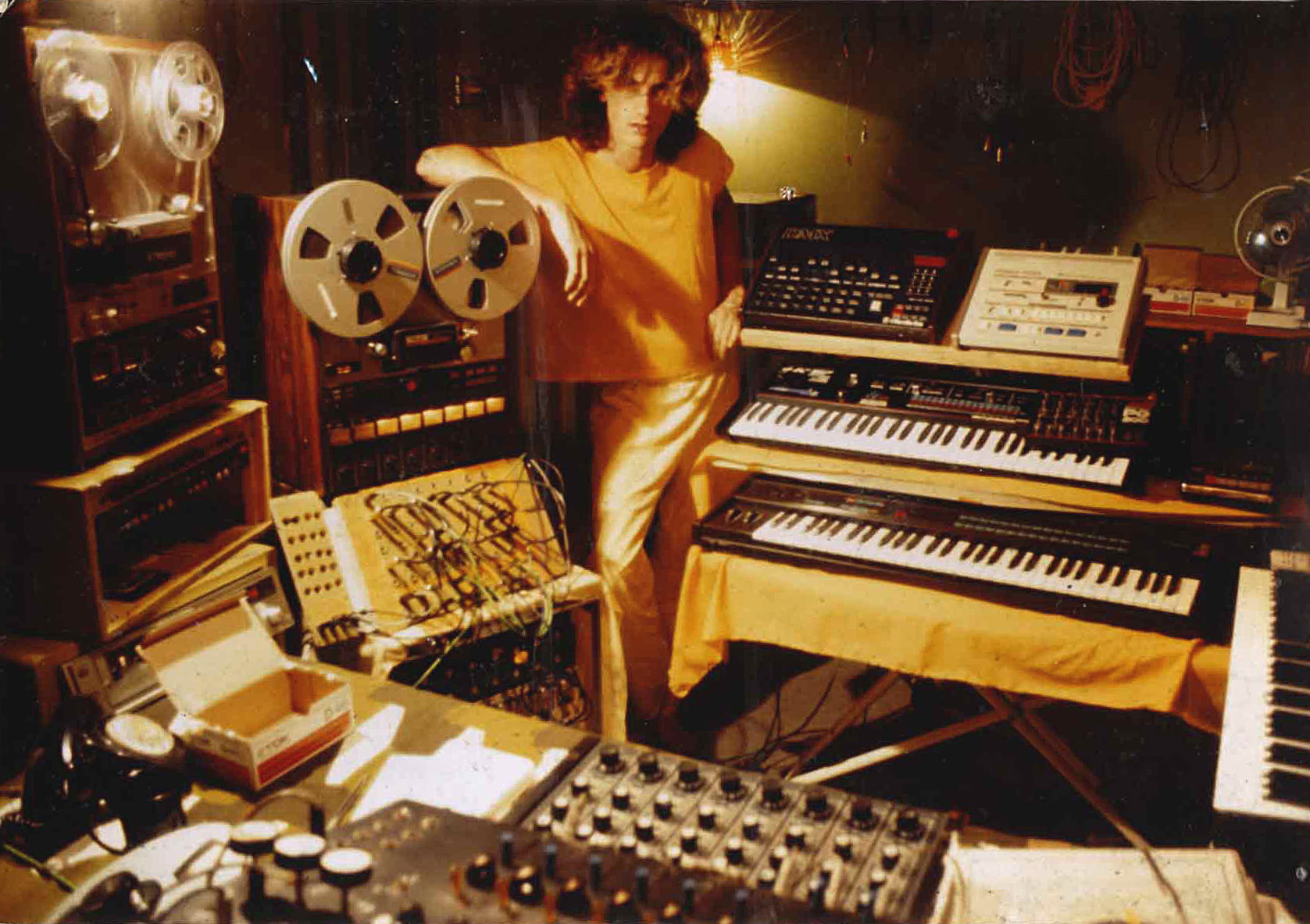
The Digital Dawn (1981)
By 1981, the setup evolved. This shot shows Jay surrounded by the new wave of digital keyboards that began to shape the later Crazoids sound. True to form, even these high-tech synths were supported by repurposed ironing boards found on the street.
It was here, amidst the egg cartons and ironing boards, that Jay Moxham created the musical DNA that would eventually be fully realized 45 years later.
For more visual history, visit the Photographs Archive.