
A photographic collection of Jay Moxham and the visual evolution of The Crazoids project from 1980 to now.
Jay Moxham 2026
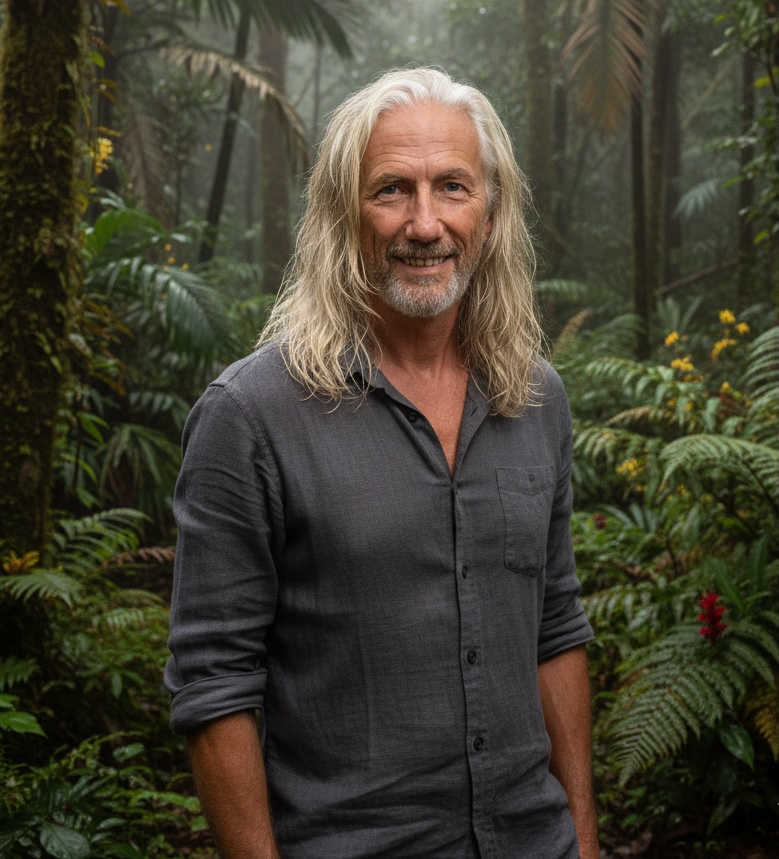
Jay 2026
Returning to the 'Atmosphere' of professional production in 2026 required more than just a fresh coat of code - it demanded a total creative rebirth.
After decades away from the industry - the emergence of AI provided the 'Engine' I needed to finally realise the potential of my 1980s song catalogue. Using Gemini as a 'plug-in for my brain' - I spent months meticulously re-authoring every track through Suno - transforming rough demos into high-fidelity 'Meaningful Pop'.
This relaunch isn't about nostalgia; it’s about using modern tools to just simply be - creative. From generating sixty distinct scenes for a five-minute video journey to using Gemini, 'Nano Banana' and Veo - through to bridging my history into this new profile - every element is a partnership between human intent and machine capability.
Historical
The Artist & The Machines
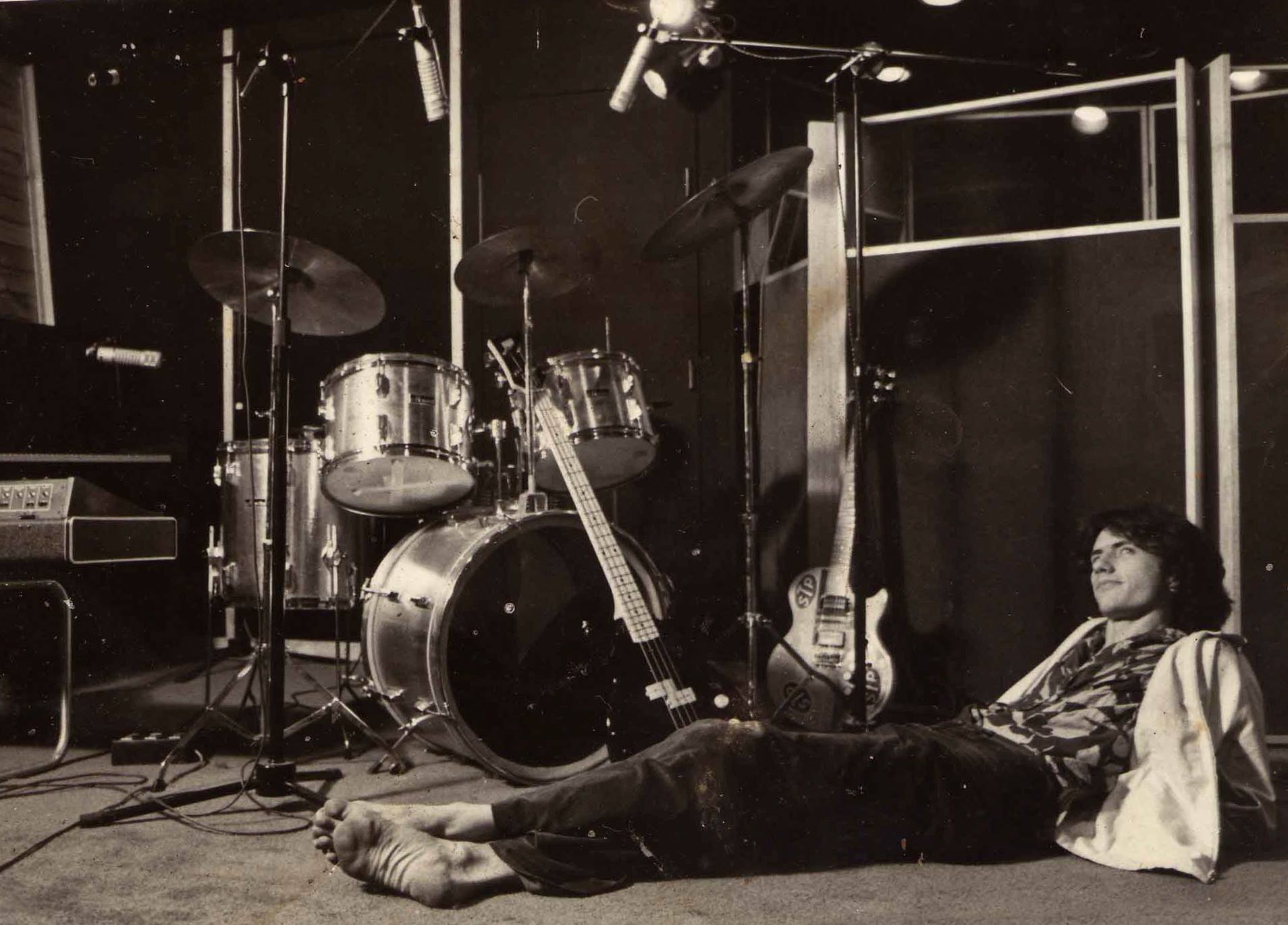
Upgrading the 4-track demos
After recording 4-track demos in the original Rhinoceros Studios in 1979 Jay took the reels to Madrigal Studios in North Sydney and arranged for Paul Dengate, Ken Handley and Jim Marjoram to play additional parts and Jay added backing vocal and more drums. That is Jay's Maxwin drum kit - yes - he was originally a drummer! These two upgraded songs 'Five O'clock Fever and 'The Beast Is Loose' went on to be his first 45rpm single release as Social Comment.
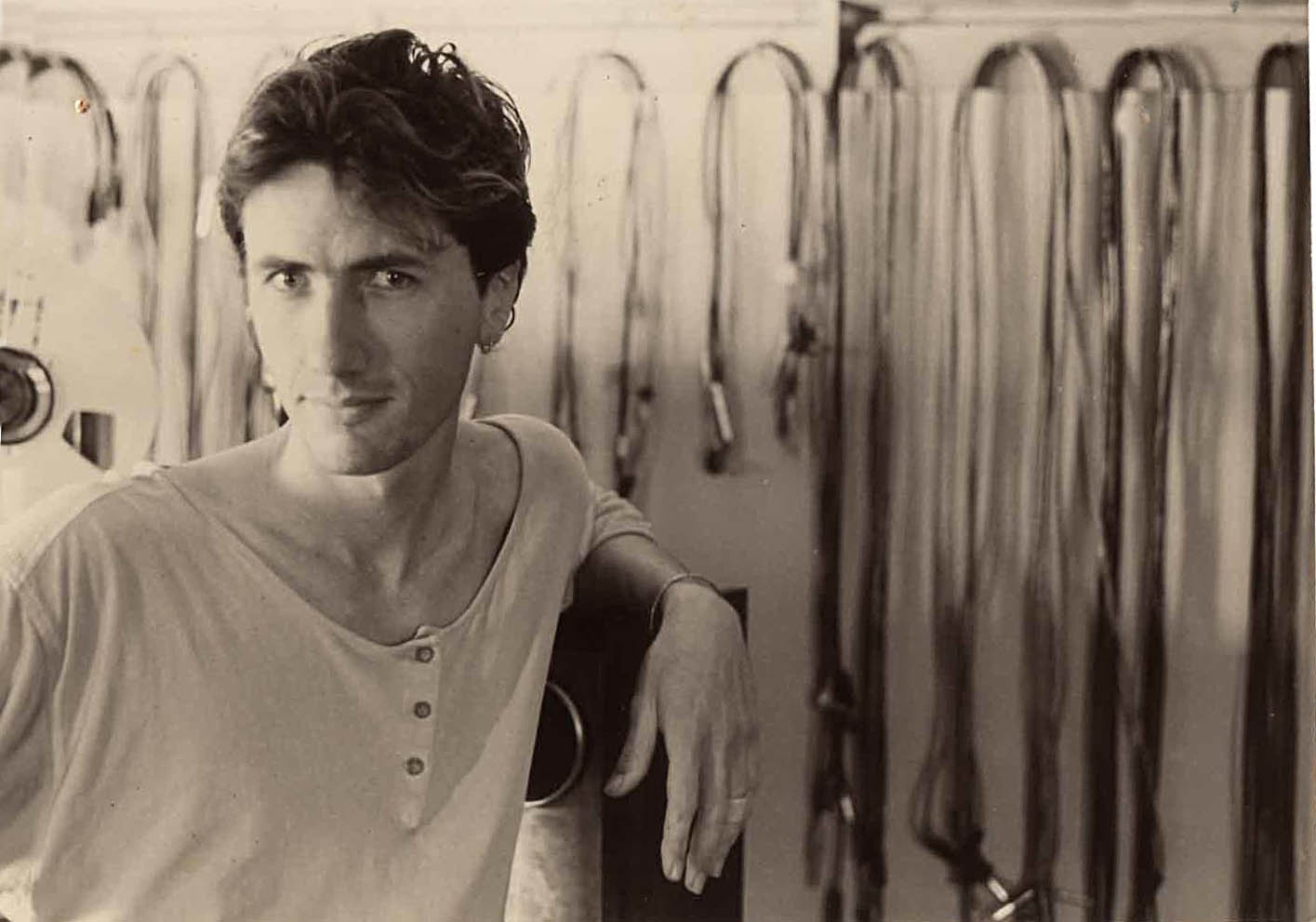
The Gravity of Analog
The TEAC 8-track was a heavy machine that seemed to generate its own gravity field. Here, Jay leans against it in front of the 'lead and cable wall', the nervous system of the studio. On rare occasions when the deck had to be sent off for repairs or servicing it was like the sun was missing from the solar system of all the other machines that orbited around it. Circa 1982.
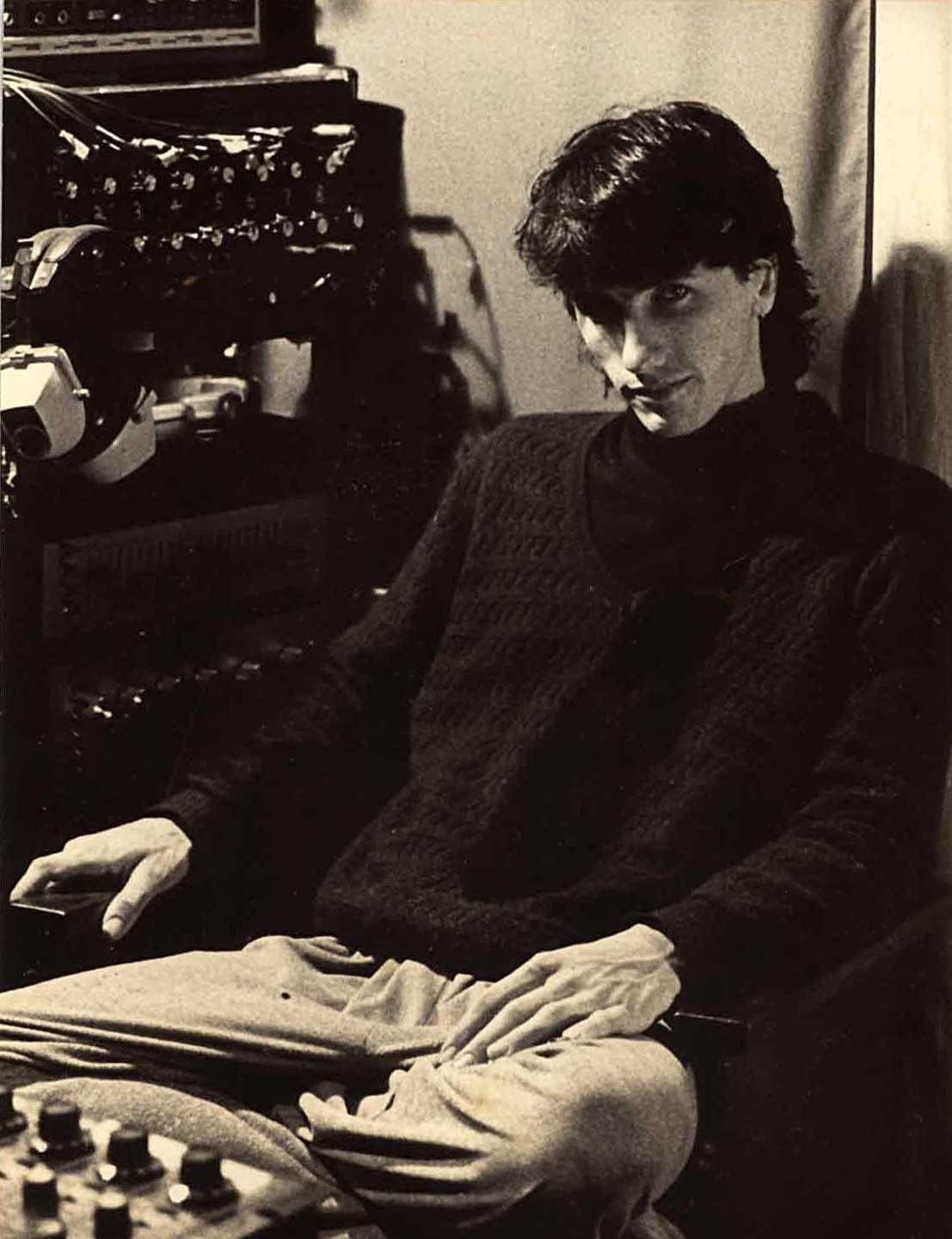
The Producer's Chair
Jay practically lived in this chair for three years from 1980-1983, writing over forty songs. Visible on the walls are the yellow and tan fabric drops installed to dampen sound reflections.
While the original Ampex 456 master tapes eventually perished due to emulsion breakdown, these sessions were fortunately preserved on DAT tapes at the last minute, allowing for the 2025 AI restoration.
The 1/4" reel-to-reels were run through the mastering deck 10 minutes at a time capturing the audio in sections before cleaning off all the emulsion from the heads. Those DATs were later digitised and assembled on computer to create the new masters.
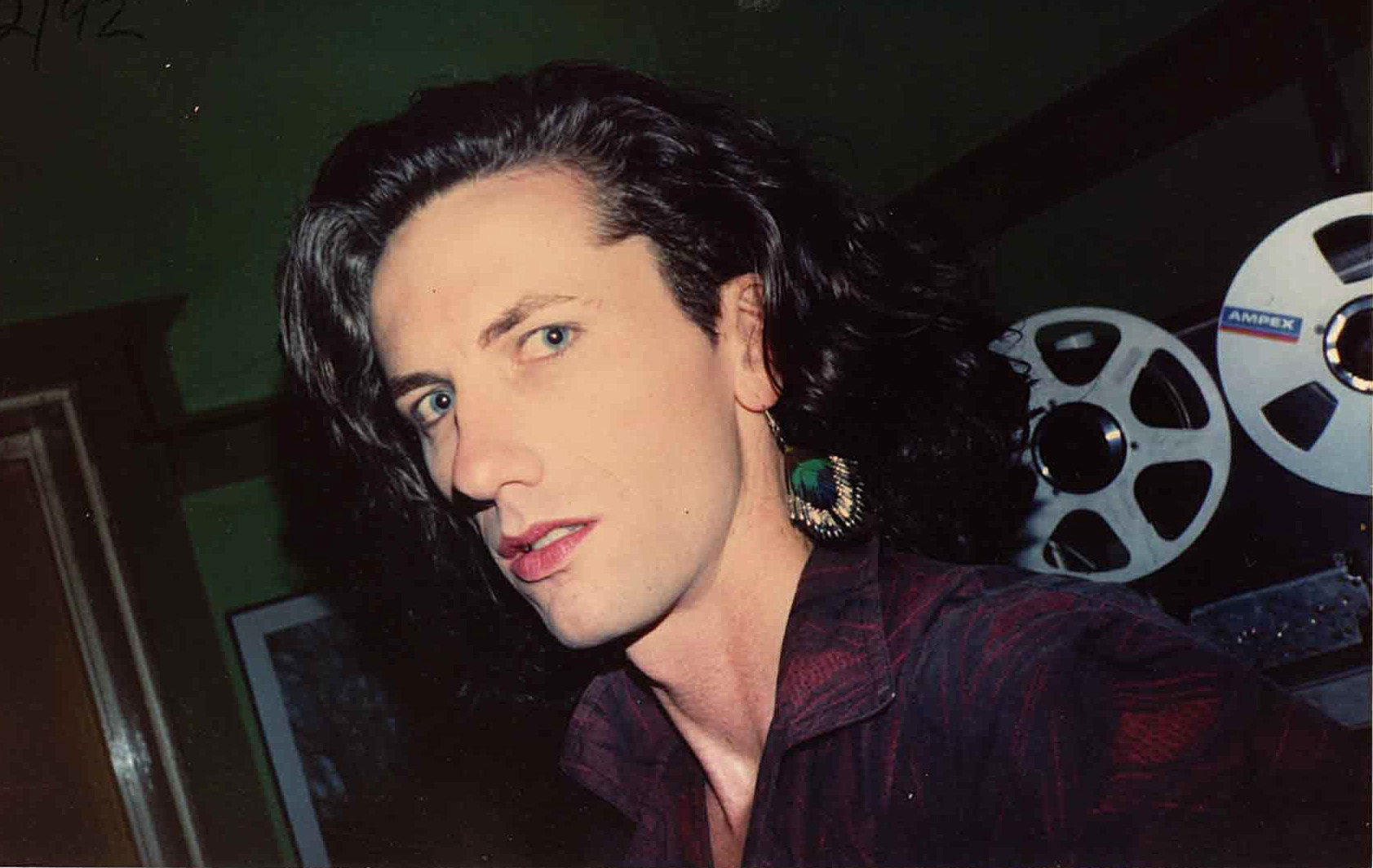
New Wave Aesthetics
The early 80s were a confusing visual time involving plenty of make-up and synthetic fabrics. Jay was given his favourite Katie Pye jacket which were all the rage for pop stars in Australia in the 80s. In the background sits the 2-track mastering machine that captured the final mixes.
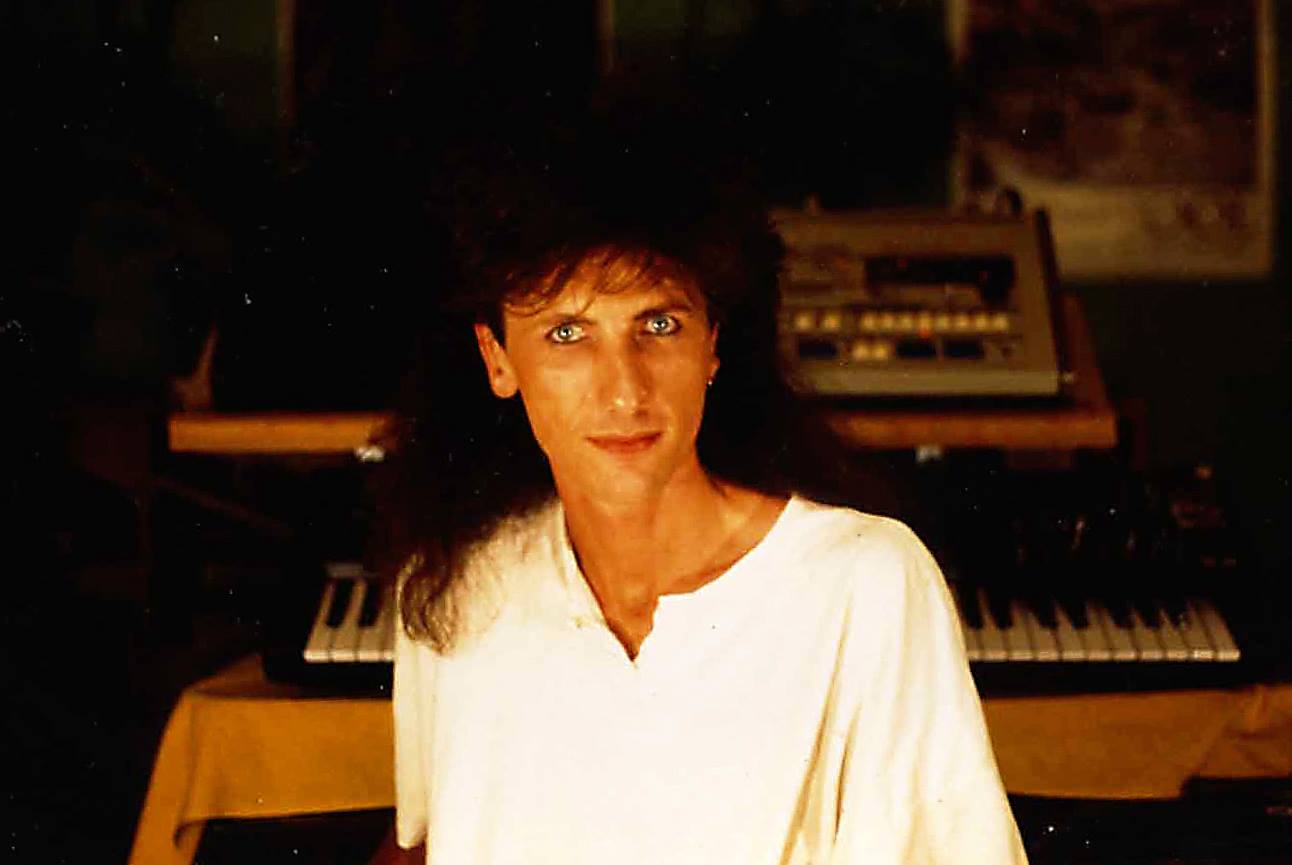
Home Studio Willoughby
This is a pic taken around 1983 at the end of the pop phase moving into the more intense ambient music phase with DX-7 synth, DMX drum machine and MSQ-700 sequencer in the background.
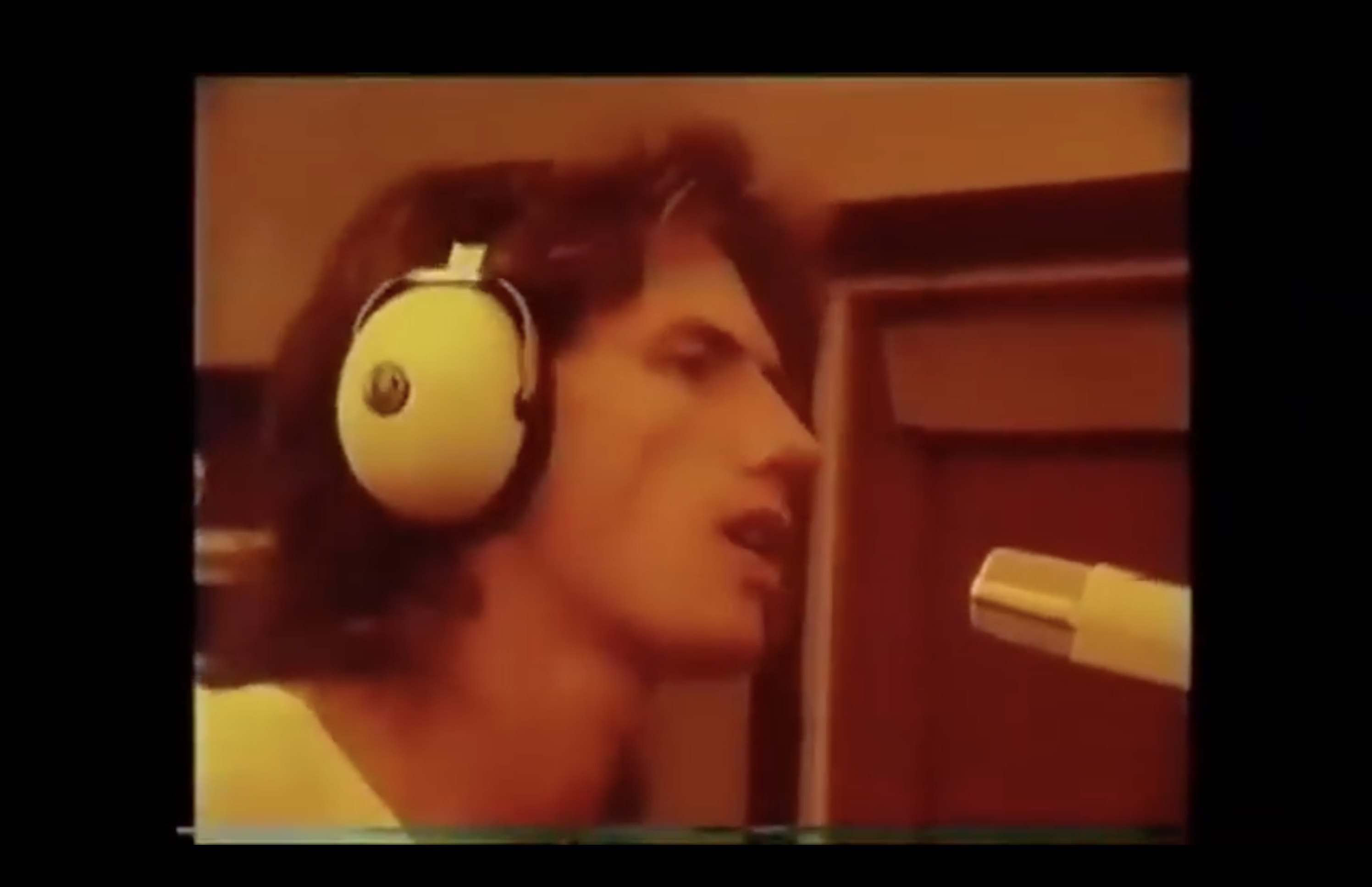
Miming On TV Show
Despite Jay's personal, iron-clad commitment to never mime on TV, as soon as the Simon Townsend's Wonderworld TV crew asked for a miming scene in 1985 he just sold-out on the spot and started miming. Lovely Sennheiser 421 microphone - the same type The Beatles used in Abbey Road Studios making Sgt. Pepper!
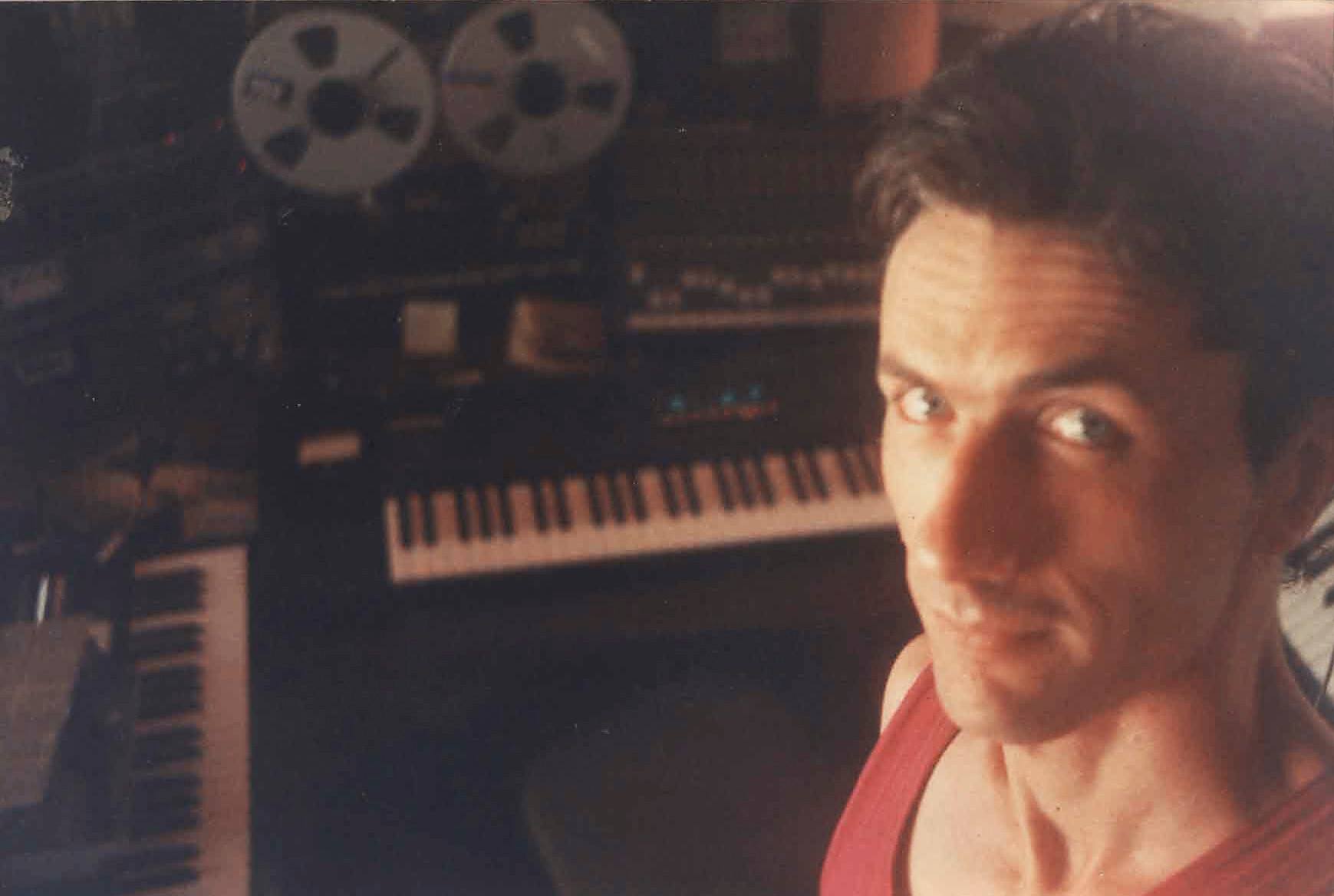
Mt Irvine Studio
In 1992 Jay moved to The Blue Mountains in a forest in the middle of nowhere at Mt Irvine and set up a recording space in the lounge room with the existing Roland JX-3P, Ensoniq Mirage 8 bit sampler and Yamaha DX-7 plus his new Ensoniq EPS16+ sampler.
He created his final two ambient albums there - The Threshold and Deep Space - but there were also a lot of songs written in the seclusion of the woods.
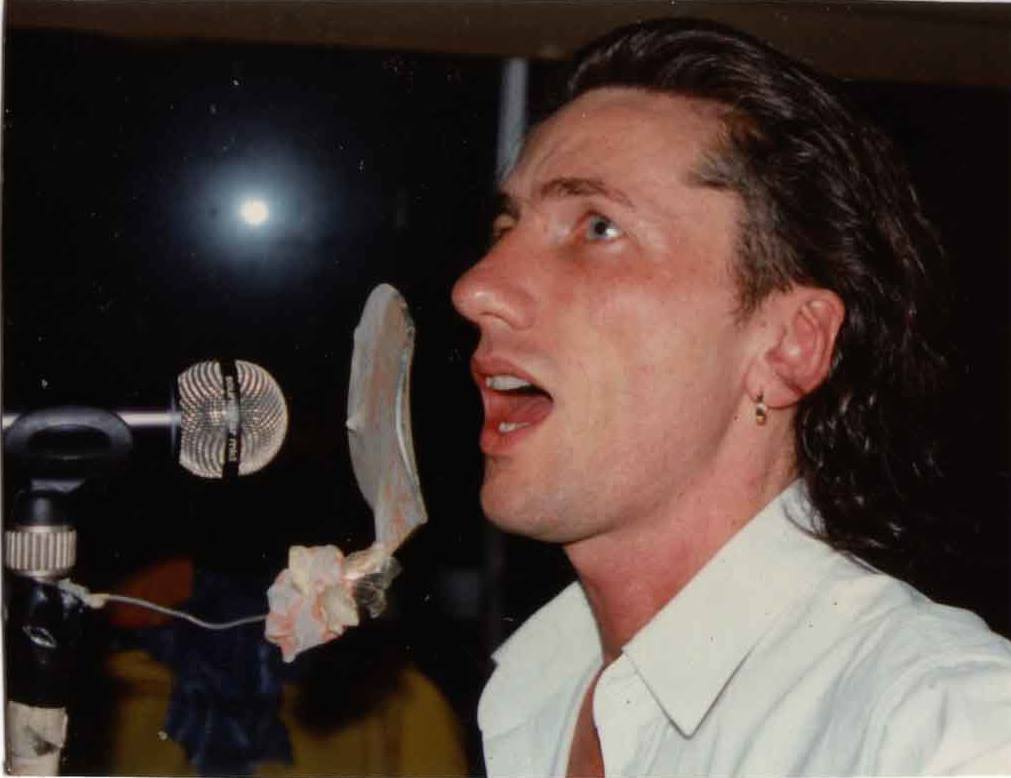
Mt Irvine Singing
In that phase from 1992-1998 Jay wrote and recorded many songs while creating and promoting his ambient music catalogue. The newly updated songs Paradise and Time To Fly were written there in the early 90s. Note his standard fancy pop-filter on the mic made from a bent coat-hanger and old stocking.
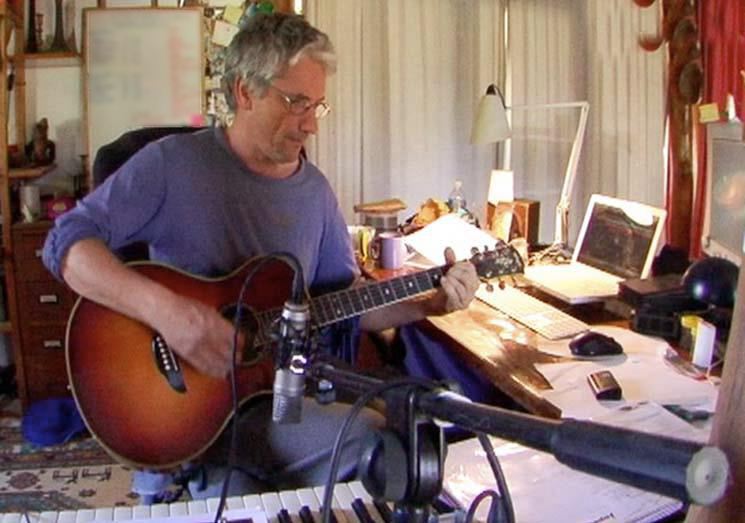
Numinbah Studio - Northern NSW
Jay continued to write new songs and recording demos after moving to Byron Bay in 1998 some of which are on the Surreal album EP collection. This was in 2012 recording one of those demos playing his lovely Yamaha APX-10 semi-acoustic guitar recording with a Rode NT-1 mic.
Promotional Pop Shots Circa 1980-1982
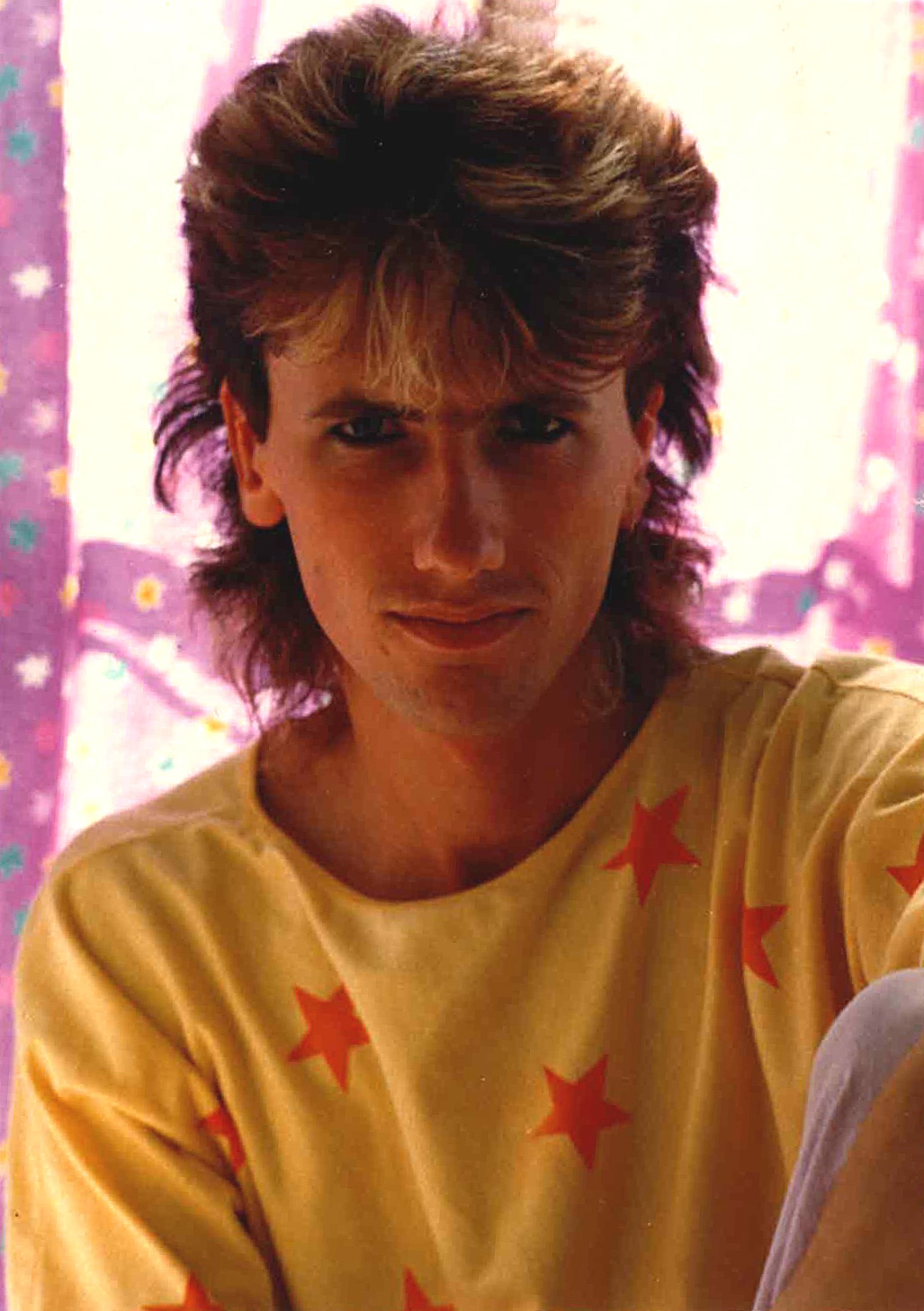
Music for Hairdressers
The hair salon where this look was created actually inspired the song Music For Hairdressers
- written after a particularly long cut-and-color session.
Originally written as a piece of ambient music for my local hairdresser who was sick of the same top 40 radio songs, this evolved into a synth-pop track that is a bit tongue-in-cheek about the fashion industry and the superficiality of style.
It has a great beat and some catchy synth lines that you can snip your scissors to! This particular image captures the 'look' that went with the sound - a result of a long cut-and-colour session that served as the primary inspiration for the lyrics.
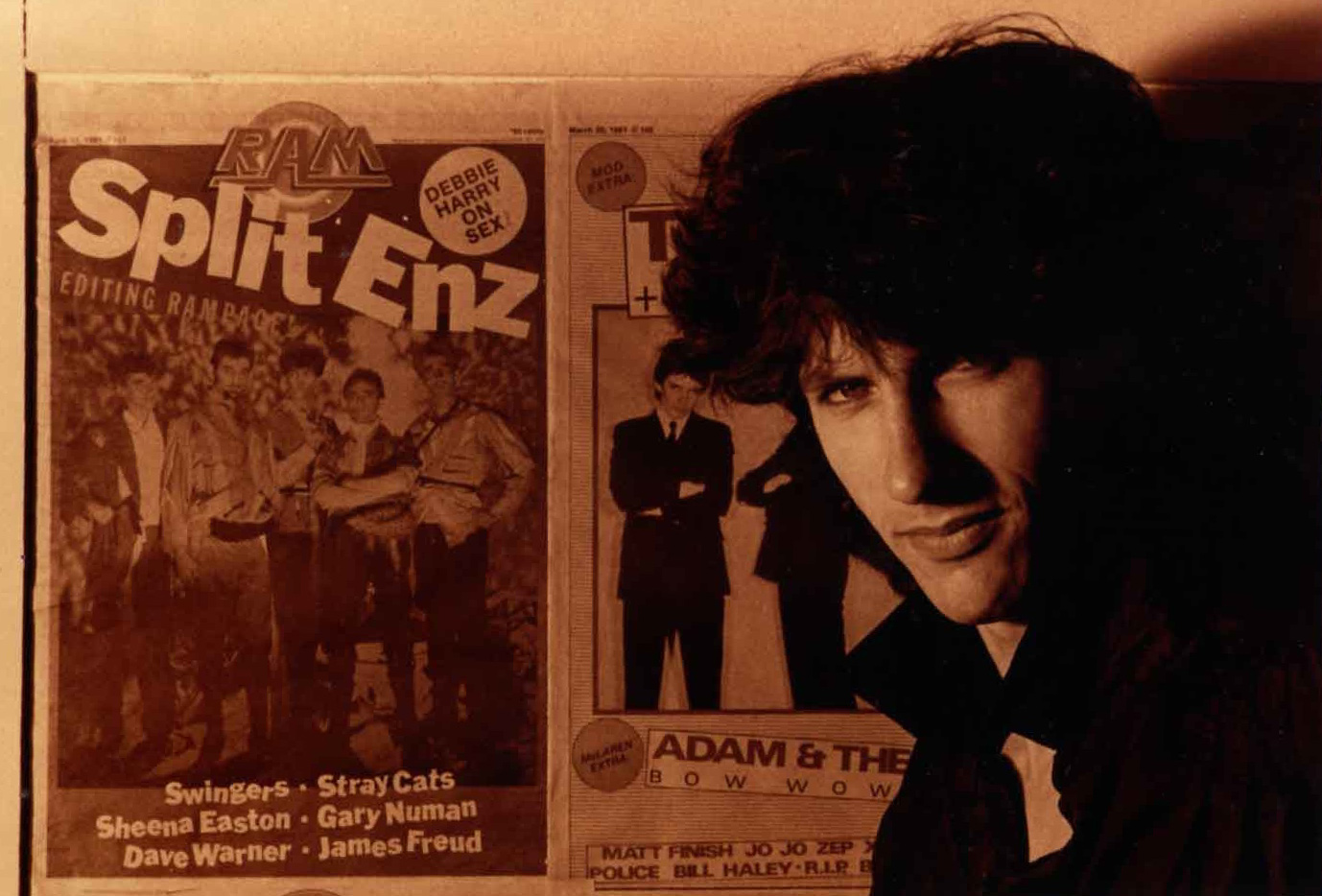
The Media Wall
Posing in front of a wall of RAM (Rock Australia Magazine) covers. At the time, getting on one of those covers was the ultimate goal. Despite Anthony O'Grady saying on late night TV that I was "the best thing since David Bowie and sliced bread" the record execs in 1982 just didn't understand what a studio band was.
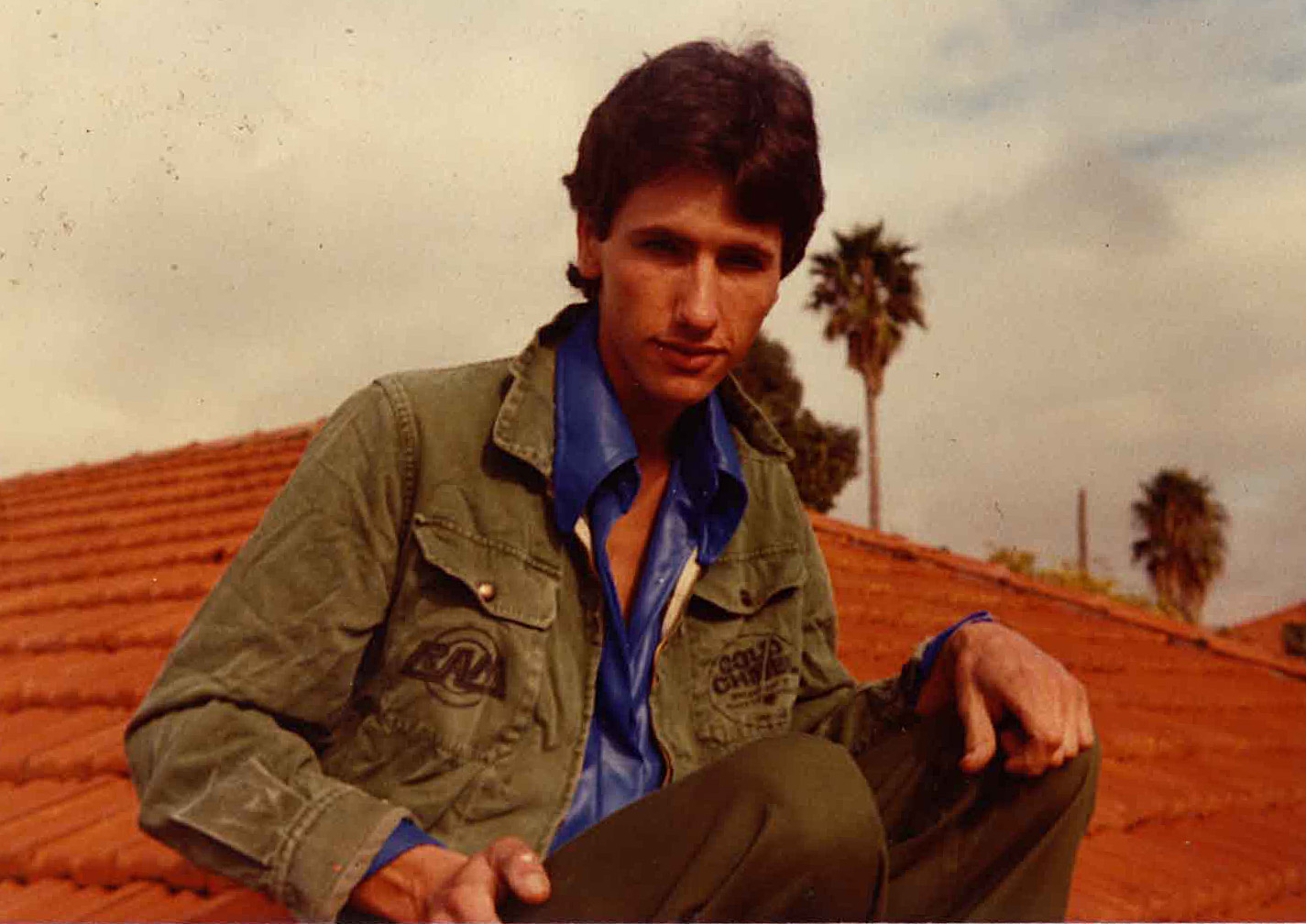
Rooftop Sessions
Donning the synthetic shirt for a 'Cold Chisel / The Jam' inspired rooftop shoot. It was taken on the back roof of the house you can see in the photos below!
The Location
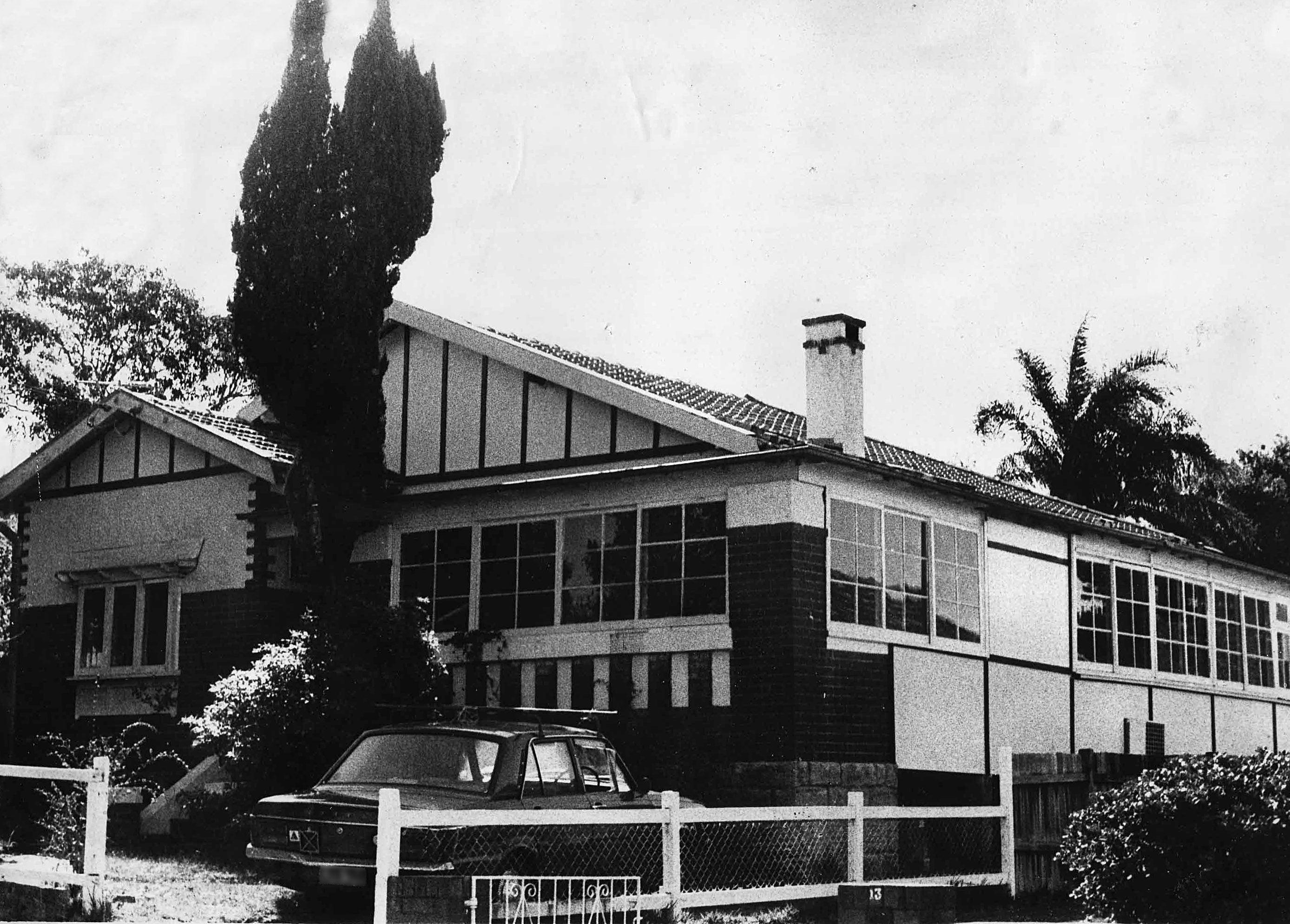
The Willoughby House 1980-1992
The physical birthplace of the recordings. The glassed-in veranda on the corner (seen here) wrapped around the lounge room, which served as the Control Room - where the chimney is (yes, the 'control room' had a fireplace!).
The veranda acted as a secondary sound buffer, protecting the neighbors from the late-night sessions - although the chimney in the control room occasionally leaked sound out!
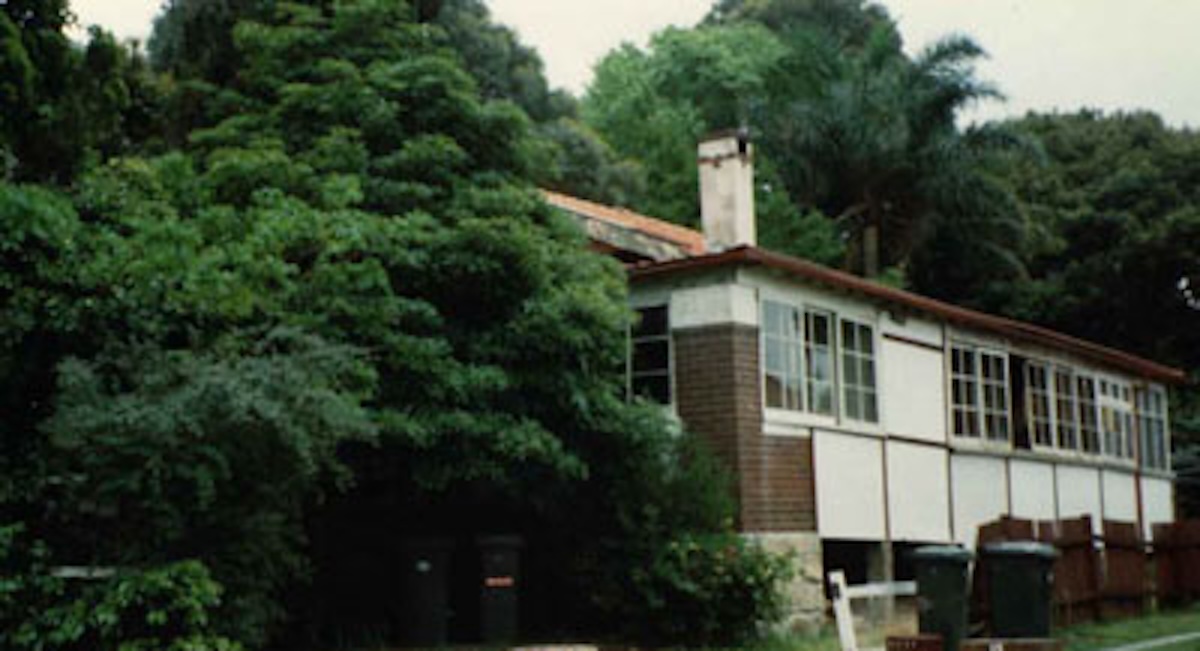
Natural Soundproofing
Years later, nature provided its own soundproofing as the trees grew to shield the front of the house.